
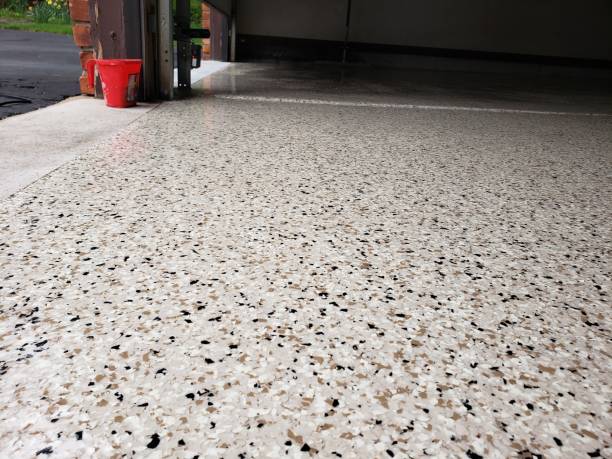
Enhance Your Space with Clearwater Epoxy Garage Flooring for Style and Durability

Epoxy floor system for garage floor concrete with epoxy coating in a garage garage Epoxy Flooring stock pictures, royalty-free photos & images

Epoxy flooring has become a highly popular choice for garages, offering a perfect balance of durability, style, and functionality. Whether you’re revamping your existing garage or designing a new one, epoxy flooring provides a range of benefits that make it an ideal solution for homeowners and professionals alike.

Top Reasons to Choose an Epoxy Flooring Company Clearwater FL for Your Garage Flooring Needs

  1. Epoxy flooring is renowned for its exceptional durability. It can withstand the heavy weight of vehicles, tools, and equipment without cracking or chipping.
  2. Unlike traditional concrete floors that are prone to wear and tear, epoxy coatings create a robust protective layer that resists damage from impact or abrasion.
  3. Garages often encounter oil spills, gasoline leaks, and exposure to harsh chemicals. Epoxy flooring is resistant to these substances, ensuring the surface remains unblemished over time.
  4. This resistance also makes it easier to clean up spills quickly without leaving stains.
  5. Available in a variety of colors, finishes, and textures, epoxy flooring allows homeowners to customize their garage to suit their style preferences.
  6. Options such as metallic finishes or decorative flakes can give your garage a sleek and professional appearance while hiding imperfections on the surface.
  7. With its seamless surface, epoxy flooring prevents dust accumulation and eliminates cracks where dirt might settle.
  8. A quick sweep or mop is typically all that’s required to keep epoxy floors looking clean.
  9. When installed correctly by professionals, high-quality epoxy floors can last 10-20 years or more in residential garages with minimal maintenance.
  10. The additional protective layers help prolong the life of both the coating and the underlying concrete.
  11. Some epoxy coatings include anti-slip additives that provide better traction even when wet—making it safer to walk on in a potentially hazardous environment like a garage.

Benefits of Hiring an Epoxy Garage Flooring Contractor Clearwater FL for Your Floors

Feature Epoxy Flooring Bare Concrete
Durability Highly resistant to damage Prone to cracking
Aesthetic Options Customizable finishes available Plain gray surfaces
Chemical Resistance Resists oils & chemicals Stains easily
Maintenance Easy-to-clean Needs frequent upkeep
Longevity 10-20 years (or more) Shorter lifespan

Epoxy Flooring Installers Clearwater FL for More Than Just Your Garage

  • Basements: Durable against moisture while adding an attractive finish.
  • Workshops: Withstands heavy-duty use from tools and machinery.
  • Home Gyms: Offers anti-slip properties paired with stylish designs.
  • Commercial Spaces: Suitable for warehouses due to its resistance against high traffic.

When applied professionally, an epoxy floor transforms your space into an efficient yet stylish environment that’s equipped to handle daily demands effortlessly.

By choosing epoxy flooring for your garage—or any other practical space—you’re investing in both functionality and value enhancement for your property while enjoying its myriad benefits year-round.

Understanding Why Epoxy Flooring is Water Resistant and Ideal for Various Spaces

Epoxy flooring has gained significant popularity for its impressive characteristics, one of the most notable being its water-resistant properties. This feature makes epoxy an excellent choice for a wide range of spaces, from residential garages to commercial facilities. Below is a detailed look at why epoxy flooring is water-resistant and how this quality makes it suitable for various environments.

Why Epoxy Flooring is Water Resistant

  • Non-Porous Surface: Once hardened, epoxy forms a smooth and non-porous layer that repels liquids rather than absorbing them.
  • Seamless Application: Unlike tile or other flooring options with grout lines, epoxy creates a continuous surface without cracks or seams where water could collect.
  • Chemical Bonding: The chemical structure of epoxy ensures that it adheres tightly to concrete, creating an impermeable barrier.

Benefits of Water Resistance in Different Spaces

  1. Ideal for kitchens, bathrooms, and basements where spills and humidity are common.
  2. Prevents mold and mildew growth by keeping moisture from penetrating the floor.
  3. Protects against damage caused by snowmelt, rainwater, or oil spills.
  4. Easy to clean up leaks or puddles without leaving stains.
  5. Suitable for factories, warehouses, and hospitals where hygiene is important due to frequent cleaning.
  6. Withstands exposure to heavy equipment washing or chemical spills without compromising integrity.
  7. Works well in patios or pool decks as it can repel water while maintaining durability under changing weather conditions.

Comparison Table: Epoxy vs Other Flooring Materials

Feature Epoxy Flooring Tile Hardwood Carpet
Water Resistance High Medium (depends on grout sealant) Low Low
Maintenance Effort Low Medium High High
Mold/Mildew Prevention Excellent Moderate Poor Poor

Long-Term Implications of Water Resistance

  • Epoxy’s resistance helps protect the underlying concrete foundation from erosion caused by trapped moisture.
  • It reduces long-term maintenance costs since periodic resealing isn’t required as often as with tile grout lines or hardwood coatings.

Final Thoughts on Versatility

Thanks to its water-resistant properties combined with ease of maintenance and aesthetic appeal, epoxy flooring adapts well to homes, offices, warehouses, and beyond. Whether dealing with everyday spills in your kitchen or heavy-duty applications in an industrial setting, this durable option continues to prove itself as both practical and stylish across different spaces.

How Easy-to-Clean Epoxy Flooring Enhances Convenience and Style in Your Home

Epoxy flooring has become a popular choice for homeowners who want a surface that is both practical and visually appealing. One of its standout features is how easy it is to clean, making it a low-maintenance option for busy households. Here’s how epoxy flooring enhances convenience and style in your home.

Simple Cleaning Process

Maintaining an epoxy floor requires minimal effort, thanks to its non-porous surface that resists dirt, stains, and spills. Here are some simple steps to keep epoxy floors looking brand new:
Daily Dusting or Sweeping: Use a microfiber mop or soft-bristle broom to remove dust and debris.
Occasional Mopping: Mix mild soap with warm water and use a mop to clean up any stubborn dirt or residue. Avoid harsh chemicals that may degrade the finish over time.
Spill Management: Wipe up liquid spills immediately with a soft cloth or paper towel to maintain the floor’s pristine condition.

This straightforward cleaning routine ensures your epoxy floor maintains its luster without requiring specialized products or heavy labor.

Resistance to Stains and Spills

Epoxy floors are highly resistant to common household stains such as oil, grease, wine, and even pet accidents. This resistance stems from their dense topcoat that seals the surface, preventing substances from penetrating or causing discoloration.

For tougher messes like dried food spills or sticky residue:
1. Use a sponge soaked in mild detergent solution.
2. Gently scrub the area until clean.
3. Rinse with water and dry using a soft cloth.

Enhanced Hygiene

Thanks to their seamless design, epoxy floors lack cracks or gaps where dirt, bacteria, or moisture can accumulate—making them an excellent choice for kitchens, bathrooms, and garages where hygiene is critical.

Benefits of enhanced hygiene include:
– Reduced risk of mold growth due to water resistance. – Cleaner indoor air quality since allergens like dust mites have nowhere to hide. – A safe surface for children and pets who spend time on the floor.

Stylish Appearance with Low Maintenance

Epoxy flooring offers sleek aesthetics without sacrificing functionality. Available in various colors, textures, and finishes—such as glossy or matte—it effortlessly complements modern interior designs while remaining easy to maintain.

Some decorative options include:
| Style Option | Description | Example Uses |
|———————–|——————————————-|—————————–|
| Solid Colors | Monochromatic finishes for simplicity | Living rooms & basements |
| Metallic Finishes | Reflective surfaces with 3D effects | Garages & entertainment areas|
| Flake Systems | Colored chips embedded for texture | Kitchens & home offices |

These customizable design features allow homeowners to achieve both practicality and visual appeal within their living spaces.

Cost Efficiency Through Durability

The easy-to-clean nature of epoxy floors contributes significantly to their longevity. Since they resist damage from daily wear-and-tear as well as routine cleaning agents, you’ll save on repair costs in the long run.

Epoxy flooring combines convenience with style by offering effortless cleaning solutions while enhancing the overall aesthetic value of your home’s interiors—a winning choice for functionality-conscious homeowners seeking modern design elements that perform well over time.

The Incredible Durability of Epoxy Floors for Long-Lasting Surfaces

Epoxy flooring has become a popular option for both residential and commercial spaces due to its unparalleled durability. This long-lasting solution can withstand heavy foot traffic, substantial loads, and even chemical spills, making it an ideal choice for high-demand environments. Let’s explore what makes epoxy floors so durable and how they maintain their quality over time.

Strength to Withstand High Pressure

  • Garages: Ideal for supporting the weight of vehicles, tools, and other heavy equipment.
  • Industrial Warehouses: Withstands forklifts, machinery, and pallet loads with ease.
  • Retail Spaces: Durable enough to endure constant foot traffic while retaining a polished appearance.

Resistance to Wear and Tear

  • Scratches: Unlike traditional flooring options that may scratch under stress, epoxy maintains a smooth finish over time.
  • Abrasion: Ideal for high-friction activities or areas where dragging heavy objects is common.
  • Chemical Damage: It holds up against chemicals such as oils, solvents, and cleaning products that would typically corrode other materials.
Key Durability Features Benefits
Impact Resistance Protects against dropped tools or equipment
Chemical Resistance Maintains integrity despite exposure to harsh substances
Abrasion Resistance Reduces visible signs of wear

Longevity Beyond Compare

Epoxy floors are designed to provide years of reliable performance with minimal maintenance. When properly installed and maintained, these surfaces can last 10–20 years or more in both residential and industrial settings.

Tips for Maximizing Lifespan:
  1. Regularly sweep away debris like dirt or sand that may cause scratches.
  2. Use non-abrasive cleaning solutions designed for epoxy surfaces.
  3. Address any chips or cracks promptly by applying touch-up solutions.
  4. Install floor mats in entryways or high-impact zones.

Enhanced Protection Through Topcoats

Adding a clear topcoat further enhances the durability of epoxy floors by providing additional layers of protection from UV exposure, chemical spills, and daily wear. A topcoat not only increases longevity but also improves the floor’s aesthetic appeal by maintaining its glossy finish.

Epoxy flooring stands out as one of the most durable options available today due to its strength under pressure, resistance to damage, and long lifespan when maintained properly. Whether you need a tough solution for industrial use or a sleek surface at home capable of handling daily challenges with ease, epoxy floors provide unmatched benefits in terms of resilience and reliability.
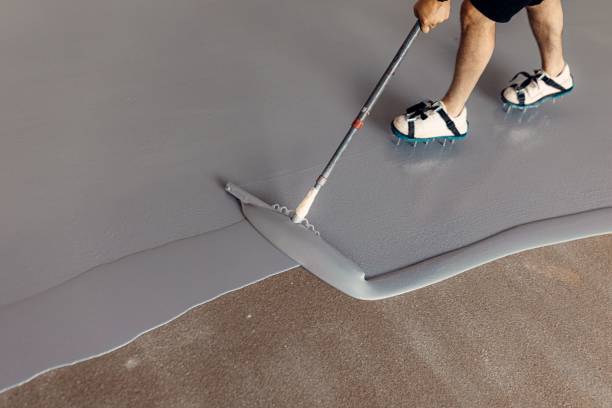
Construction worker applying grey epoxy resin in an industrial hall A construction worker applying grey epoxy resin in an industrial hall garage Epoxy Flooring stock pictures, royalty-free photos & images

Exploring the Eco-Friendly Features of Modern Epoxy Flooring

Epoxy flooring has become a popular choice for both residential and commercial applications, not only due to its durability and aesthetic appeal but also because of its sustainable and eco-friendly attributes. With growing concerns about environmental impact, modern epoxy flooring offers features that align with green building practices and environmentally conscious lifestyles. Below, we delve into the eco-friendly benefits of epoxy flooring and why it’s a smart choice for greener living.

Low Environmental Impact Manufacturing

Modern epoxy resins are developed with processes that minimize their carbon footprint. Many manufacturers now use formulations that reduce the release of volatile organic compounds (VOCs), contributing to cleaner indoor air quality. In addition, advancements in production technology have allowed for more energy-efficient manufacturing processes, further reducing environmental harm.

Key environmentally friendly manufacturing benefits include:
Low VOC emissions: Ensures better indoor air quality during and after installation.
Sustainable raw materials: Some manufacturers incorporate bio-based epoxy formulations made from renewable resources like vegetable oils or plant-based components.
Reduced waste generation: Epoxy floors are custom-poured, minimizing material waste during installation.

Long Lifespan Reduces Waste

One of the most significant eco-friendly advantages of epoxy flooring is its longevity. High-quality epoxy floors can last 10–20 years or more with proper maintenance. The durability eliminates frequent replacement cycles seen in other types of flooring like carpet or vinyl, which reduces material consumption and waste over time.

Here’s how long-lasting epoxy contributes to sustainability:
Less frequent replacements reduce landfill contributions associated with discarded materials.
– It minimizes resource consumption needed for periodic repairs or remodels. – Lower maintenance costs due to its resilience against wear-and-tear.

The long-term benefits make it an excellent investment from both an environmental and economic perspective.

Reflective Properties Improve Energy Efficiency

Epoxy floors often feature a glossy finish that enhances light reflectivity within a space. This unique property can help reduce lighting requirements in areas like garages, basements, or commercial facilities by maximizing natural or artificial light distribution across the floor surface.

Energy efficiency advantages include:
– Reduced electricity usage for lighting needs. – Improved illumination in workspaces without requiring additional fixtures. – A brighter indoor environment that can enhance overall functionality.

By reducing energy consumption through better lighting efficiency, epoxy flooring indirectly lowers greenhouse gas emissions associated with electricity production.

Easy Maintenance Minimizes Harsh Chemical Usage

Maintaining traditional flooring options often involves harsh chemical cleaners that can have negative environmental impacts when rinsed into drainage systems. In contrast, epoxy floors are remarkably easy to clean due to their nonporous surface. This feature reduces reliance on toxic cleaning agents while still ensuring hygiene and cleanliness.

Environmentally friendly cleaning benefits include:
– Resistance to stains and spills allows simple cleaning using water or mild detergents.
– No need for waxes or polishes that release harmful chemicals into the atmosphere over time. – Nonporous surfaces prevent water absorption, reducing mold growth and enhancing longevity naturally.

Suitability for LEED-Certified Projects

For those considering sustainable building projects under frameworks like LEED (Leadership in Energy & Environmental Design), modern epoxy flooring aligns well with certification criteria such as energy performance optimization, indoor air quality improvement, and material reutilization potential.

By integrating these features into design plans, architects and builders can meet stricter sustainability standards without compromising on aesthetics or functionality.

Modern epoxy flooring showcases how innovative solutions can balance durability with ecological responsibility. It stands as an example of how technology-driven improvements are paving the way toward greener living spaces while maintaining practicality and style in everyday environments.

The Top Advantages of Choosing Epoxy Flooring for Residential and Commercial Use

Epoxy flooring has become a popular choice for both residential and commercial spaces due to its exceptional properties, cost-effectiveness, and versatility. Whether used in a home garage, retail store, or industrial facility, epoxy floors provide several benefits that make them an excellent investment. Let’s explore the top advantages of epoxy flooring in various settings.

1. Durability and Longevity

Epoxy flooring is highly durable, making it suitable for high-traffic areas in both homes and businesses. Its ability to withstand heavy loads and consistent use ensures long-lasting performance without the need for frequent repairs or maintenance.

  • High Compression Strength: Ideal for areas subject to heavy machinery or vehicles.
  • Impact Resistance: Protects surfaces from damage caused by dropped tools or objects.
  • Abrasion Resistance: Maintains a smooth finish even with constant foot traffic.

2. Easy Maintenance

One of the standout features of epoxy floors is their low-maintenance nature. Cleaning is simple and requires minimal effort compared to other flooring materials such as wood or tile.

  • Resistant to stains from oil, grease, or chemicals.
  • No seams or grout lines where dirt can accumulate.
  • Easy-to-clean surface with just water and mild detergent.

3. Aesthetic Appeal

Epoxy flooring enhances the visual appeal of any space with its sleek and seamless appearance. It offers an array of customization options to complement different design preferences.

Some aesthetic options include: | Feature | Description | |————————|————————————————| | Colors | Available in solid hues, metallic finishes, or multi-color patterns. | | Gloss Levels | Choose between matte, satin, or high-gloss finishes. | | Decorative Elements | Incorporate flakes, quartz granules, or custom logos for unique designs.|

This adaptability makes epoxy flooring a preferred choice for homes looking to enhance style as well as businesses aiming to create an attractive environment for customers.

4. Chemical Resistance

  • Protects against harsh solvents and acids.
  • Prevents damage from chemical reactions.

This property also makes epoxy ideal for residential garages that may encounter oil leaks or cleaning solution spills.

5. Cost Efficiency

  • Lower installation costs than premium flooring materials.
  • Reduced maintenance expenses save money over time.

Its durability further minimizes repair costs while preserving its appearance year after year.

6. Safety Features

  • Anti-slip coatings are available to reduce fall risks in wet conditions.
  • Reflective surfaces improve lighting efficiency by enhancing visibility indoors.

These features are particularly advantageous for industrial facilities where worker safety is paramount.

7. Eco-Friendly Options

  • Low volatile organic compounds (VOC) reduce harmful emissions during installation.
  • Long lifespan decreases the demand for frequent replacements and waste generation.

By choosing eco-friendly epoxy products, homeowners and business owners can contribute positively toward reducing their environmental footprint.

Final Thoughts

Epoxy flooring offers unmatched versatility that caters equally well to residential comfort and commercial functionality. With benefits such as durability, easy maintenance, chemical resistance, safety features, aesthetic flexibility, and cost savings, it’s no wonder why this material has gained widespread popularity across diverse industries and applications alike.


Experienced Epoxy Flooring Installers Clearwater FL Offer Long-Lasting Solutions

Epoxy floor system for basement floor concrete with epoxy coating in basement garage Epoxy Flooring stock pictures, royalty-free photos & images

Epoxy flooring has become a highly sought-after choice for both residential and commercial spaces due to its blend of practicality, durability, and aesthetic appeal. This flooring solution offers a range of advantages that make it a versatile option across various industries. Below, we explore the top benefits that epoxy flooring brings to the table.

Durability That Withstands Heavy Use

One of the most appealing aspects of epoxy flooring is its exceptional durability. When applied correctly, epoxy creates a hard, impact-resistant surface that can endure significant wear and tear.

  • High Load Capacity: Epoxy floors are capable of withstanding heavy machinery in industrial settings or the weight of vehicles in garages.
  • Scratch Resistance: The tough outer layer reduces susceptibility to scratches caused by foot traffic or equipment movement.
  • Longevity: Properly installed epoxy floors can last for decades with minimal maintenance compared to traditional floor coverings such as tile or wood.

Enhanced Aesthetic Appeal

Epoxy flooring is not just functional; it also offers an impressive range of design options that allow customization for any space.

  • Variety of Colors: Available in solid colors or metallic finishes, epoxy can match virtually any interior theme or branding guidelines.
  • Patterns and Textures: Options like marbling effects or multi-colored flakes provide unique visual interest tailored to personal preferences.
  • Seamless Finish: Its smooth and consistent surface eliminates grout lines or seams found in tiled floors, giving a clean and modern appearance.
Design Option Description
Solid Color Single-tone finish for sleek simplicity
Metallic Finish Adds depth with reflective metallic effects
Flake Systems Decorative chips embedded for texture

Cost Efficiency Over Time

Though the initial cost might seem higher than some alternatives, epoxy flooring proves its value through reduced maintenance needs and long-term durability.

  • Low Maintenance Costs: Its seamless surface resists stains and spills, requiring only basic cleaning such as sweeping or mopping.
  • Resists Damage: Unlike wood that can warp from moisture or tile grout prone to cracking over time, epoxy remains intact under challenging conditions.
  • Energy Efficiency Potential: Light-reflective properties reduce lighting costs in large spaces by enhancing natural light distribution.

Ideal for Various Environments

Epoxy flooring’s unique combination of style and performance makes it suitable for applications ranging from residential kitchens to industrial warehouses.

Some common use cases include: – Residential garages where durability meets aesthetic requirements – Commercial showrooms benefiting from high gloss finishes – Healthcare facilities seeking hygienic surfaces that are easy-to-clean

In summary, epoxy flooring delivers unmatched benefits across functionality, style versatility, and long-term value retention while being adaptable to diverse settings—making it more than just a floor but an investment in quality living or working environments.

Discover the Benefits of Hiring an Epoxy Garage Flooring Contractor in Clearwater FL

Epoxy flooring is not just a practical solution for residential, commercial, and industrial spaces—it also offers an impressive array of design options. With its exceptional versatility, epoxy flooring has become a preferred choice for those looking to combine functionality with aesthetic appeal. Below, we explore the various customization options that make epoxy floors highly adaptable to personal tastes and design requirements.

A Wide Array of Colors and Finishes

Epoxy floors can be customized in virtually any color or combination of colors, making them suitable for modern homes, retail spaces, or industrial facilities. From solid monochromatic shades to metallic finishes that reflect light beautifully, the possibilities are endless.

Some popular finish options include: – Metallic Epoxy: Creates a shimmering, three-dimensional effect that mimics molten metal or flowing water.
Matte Finish: Offers a non-reflective surface ideal for subdued aesthetics.
Glossy Finish: Highly reflective and smooth, this option adds a sense of brightness to any space.

A homeowner might prefer warm tones to complement cozy interiors, while a business may opt for bold colors paired with the company’s branding.

Patterns and Decorative Elements

Epoxy flooring allows the incorporation of intricate patterns and designs for personalized spaces. Techniques such as stenciling or embedding materials further enhance creativity in design.

Examples include: – Geometric Patterns: Ideal for modern environments like offices or retail stores.
Marbled Effects: Perfect for luxurious aesthetics in showrooms or upscale homes.
Logo Embedding: Businesses can embed their logos directly into the floor coating during installation.

These decorative options not only make each space unique but also serve as conversation starters.

Texture Customization

The texture of epoxy flooring can be customized to meet functional needs without compromising style: – Smooth Textures: Provide a sleek look suited for cleanroom environments and hospitals. – Textured Finishes: Enhance traction in areas prone to moisture such as garages or kitchens. – Anti-Slip Additives: Additives like sand or grit can be incorporated into the coating for safety without significantly altering appearance.

Applications Across Different Settings

Thanks to its versatile nature, epoxy flooring seamlessly integrates into various environments: 1. Residential Spaces – Create custom kitchen floors with unique patterns. – Add metallic finishes for living rooms that exude sophistication. 2. Commercial Spaces – Use brand-themed colors and embedded logos in retail stores. – Opt for high-gloss finishes in showrooms to highlight products. 3. Industrial Areas – Stick with neutral tones enhanced by anti-slip textures. – Leverage durability without sacrificing visual interest through marbled effects.

Ultimately, whether you need sleek minimalism or bold artistic flair, epoxy flooring can bring your vision to life efficiently and affordably with its unparalleled customization potential.

How Clearwater Epoxy Garage Flooring Provides an Economical Long-Term Investment

When considering flooring options for residential, commercial, or industrial spaces, it’s essential to weigh not only the upfront costs but also the long-term value and economic benefits. Epoxy flooring has gained popularity due to its ability to provide a cost-effective solution that balances durability, aesthetics, and minimal maintenance costs over time. Here’s a closer look at how epoxy floors represent an economical long-term investment.

One of the most significant advantages of epoxy flooring is its exceptional lifespan. Properly installed epoxy floors can last for decades with minimal signs of wear and tear. This longevity eliminates the need for frequent replacements or repairs that are often required with other flooring types such as carpet, vinyl tile, or hardwood.

  • Durability: Resistant to heavy foot traffic, abrasions, and impacts.
  • Minimal wear: Retains aesthetic appeal even in high-stress environments like garages or warehouses.
  • Fewer replacements: Saves the cost of periodic reinstallation common with less durable materials.

2. Low Maintenance Expenses

Epoxy floors are remarkably easy to maintain compared to traditional flooring materials. The smooth surface resists stains, dirt buildup, and chemical spills, which translates into reduced cleaning costs over time.

  • Sweep or vacuum debris regularly.
  • Use a mop with mild detergent for deeper cleaning.
  • No special treatments needed: Unlike hardwood that requires polishing or waxing.
  • Resistant to stains and spills: Chemicals and oils don’t penetrate the surface easily.
Flooring Type Average Maintenance Cost Over Ten Years ($/sq ft)
Epoxy Flooring $0.50-$1.00
Hardwood $2.00-$4.00
Carpet $1.50-$3.50

3. Energy Efficiency Savings

Epoxy surfaces reflect light effectively due to their glossy finish. In commercial spaces such as warehouses or factories, this reflective quality can reduce energy usage by enhancing natural lighting and reducing the need for artificial lighting during daylight hours.

  • Brightens spaces without additional fixtures.
  • Contributes to lower electricity bills in both residential and commercial areas.

4. Resistance Reduces Repair Costs

  • Withstands oil spills, chemical splashes, and thermal shocks without damage.
  • Protects against cracking under pressure from machinery or vehicles.
  • Prevents moisture-related issues like mold growth on concrete substrates.

By avoiding costly repairs related to water damage or material degradation seen in other types of flooring like laminate or carpeted surfaces, epoxy proves itself as an investment built for longevity.

5. Initial Costs Balanced by Long-Term Value

Upfront Cost Comparison (Approximate per Square Foot Installed)

Material Installation Cost ($/sq ft) Average Lifespan (Years)
Epoxy Flooring $3-$12 20+
Vinyl Flooring $2-$7 10-15
Hardwood $7-$12 15+

Over time, epoxy’s durability translates into significant savings by eliminating reinstallation cycles typical of less resilient materials.

By combining resilience against wear-and-tear with minimal upkeep requirements and energy efficiency benefits over decades of use, epoxy flooring demonstrates why it is considered one of the most economical long-term investments available for both homes and businesses today.

Construction worker apply grey epoxy resin in an industrial hall A construction worker apply grey epoxy resin in an industrial hall garage Epoxy Flooring stock pictures, royalty-free photos & images

The Chemical and Harsh Element Resistance of Epoxy Flooring Explained

Epoxy flooring is widely recognized for its exceptional resistance to chemicals and harsh elements, making it a preferred choice in industrial, commercial, and even residential settings. This unique property not only ensures long-lasting performance but also minimizes maintenance requirements. Below, we’ll explore the specifics of what makes epoxy floors resistant to various substances and why this feature is crucial in demanding environments.

What Contributes to Epoxy Flooring’s Chemical Resistance?

  • Resin Composition: Epoxy coatings are composed of high-grade synthetic resins that chemically bond during application to form an impermeable surface.
  • Cross-Linking Structure: The molecular structure of cured epoxy forms tight bonds that repel the penetration of chemicals, oils, and other hazardous substances.
  • Durable Protective Finish: When fully cured, epoxy floors develop a hard surface that serves as a protective barrier against both liquid and gaseous corrosive agents.

Common Chemicals Epoxy Floors Resist

Category Examples Industry/Application
Acids Sulfuric acid, hydrochloric acid Manufacturing plants, laboratories
Bases Sodium hydroxide, potassium hydroxide Food processing facilities
Solvents Acetone, ethanol Automotive workshops
Oils & Grease Motor oil, hydraulic fluids Garages, warehouses
Cleaning Agents Bleach, ammonia Hospitals, kitchens

This extensive chemical resistance makes epoxy floors suitable for spaces where exposure to these elements is routine.

Advantages of Chemical Resistance for Specific Environments

  1. Industrial Spaces
    In factories or chemical plants where spills are frequent, epoxy flooring reduces the risk of corrosion or damage caused by exposure to aggressive substances.
  2. Healthcare Facilities
    Hospitals benefit from epoxy’s resistance to cleaning agents like alcohol-based disinfectants or bleach without compromising the floor’s integrity.
  3. Garage Floors
    Automotive shops need surfaces that won’t degrade when exposed to motor oil or solvents commonly used in vehicle maintenance.
  4. Commercial Kitchens & Food Processing Areas
    Epoxy can endure exposure to acidic food products (e.g., vinegar or citrus juices) while maintaining compliance with hygiene standards due to its seamless nature.

Impact on Longevity and Maintenance

Thanks to its superior chemical resistance properties: – Businesses can avoid frequent repairs or replacements caused by chemical degradation. – Cleaning becomes easier because spilled substances don’t stain or seep into the flooring material. – Aesthetics remain intact over time since the surface doesn’t fade or discolor from chemical exposure.

Selecting epoxy flooring for environments exposed to harsh chemicals ensures not only durability but also peace of mind for operators who require safe and reliable surfaces under challenging conditions. The combination of high performance with low maintenance costs underscores why this flooring solution remains a top choice across industries worldwide.

The Chemical and Harsh Element Resistance of Epoxy Flooring Explained

Epoxy flooring is widely recognized for its impressive resistance to chemicals and harsh elements, making it a preferred choice for industrial, commercial, and even residential applications. Its robust composition ensures long-lasting performance in environments where traditional flooring materials might deteriorate or fail.

What Makes Epoxy Flooring Chemically Resistant?

The chemical resistance of epoxy floors is largely due to their unique formulation. Epoxy coatings are created by mixing epoxy resin with a hardener, resulting in a strong, durable surface that bonds tightly to the substrate. This seamless surface acts as a shield against corrosive agents.

Key factors contributing to chemical resistance include: – High cross-link density: This feature minimizes the ability of chemicals to penetrate the floor. – Non-porous nature: The impermeable surface prevents absorption of liquids or spills. – Resistance to pH extremes: Epoxy flooring holds up well against both acidic and alkaline substances.

Applications That Demand Chemical Resistance

  1. Manufacturing plants exposed to oils, solvents, and acids.
  2. Warehouses handling corrosive materials.
  3. Hospitals and clinics requiring protection from sanitizers and cleaning agents.
  4. Floors frequently exposed to caustic cleaning agents or food-grade acids.
  5. Resistant against gasoline, oils, lubricants, and other automotive fluids.

Benefits of Chemical Resistance for Longevity

Benefit Description
Extended lifespan Reduces wear-and-tear from continuous exposure to damaging substances.
Low maintenance costs Minimal need for repairs or replacement due to chemical etching or damage.
Preserves aesthetic appeal Prevents discoloration or staining from spills or leaks.

Harsh Element Resistance Beyond Chemicals

  • Temperature fluctuations: Performs well under extreme heat or cold without cracking.
  • Moisture resistance: The impermeable coating protects against water damage or mold growth.
  • UV stability (optional coatings): Certain epoxy formulations can withstand UV rays for outdoor applications.

Maintenance Tips for Ensuring Maximum Resistance

To maintain the chemical resistance of an epoxy floor over time: – Clean up spills promptly using mild detergents instead of abrasive cleaners. – Use mats in areas where heavy chemical exposure occurs frequently. – Periodically inspect the coating for signs of wear and apply recoating as needed.

Epoxy flooring stands as a reliable solution for spaces requiring durability under demanding chemical or environmental conditions. Its protective properties not only enhance functionality but also contribute significantly to cost savings over time through reduced maintenance needs

Creating a Leveled and Hygienic Surface with Epoxy Flooring Solutions

Epoxy flooring is renowned for its ability to provide a smooth, seamless, and hygienic surface. Whether installed in residential, commercial, or industrial environments, this flooring solution addresses key concerns such as uneven surfaces and cleanliness while delivering long-lasting results. Below, we explore how epoxy flooring achieves these benefits and why it is an ideal choice for many applications.

Smooth and Leveled Surfaces

One of the standout features of epoxy flooring is its capacity to create a perfectly leveled surface. This attribute solves issues associated with irregular floors, which can lead to both functional and aesthetic challenges.

  • Self-Leveling Properties: Epoxy materials are designed to flow smoothly over existing substrates, filling in cracks, holes, or dips in the floor. Once cured, the result is a uniform surface free of imperfections.
  • Improved Safety: Uneven floors pose tripping hazards in both home and work environments. By leveling the floor with epoxy coatings, you can minimize risks associated with slips or falls.
  • Aesthetic Appeal: A smooth finish enhances not only safety but also the overall look of the space. Whether used in garages, kitchens, or commercial facilities, leveled epoxy adds a professional appearance.

Hygienic Benefits of Epoxy Flooring

In addition to providing a flawless finish, epoxy floors contribute significantly to maintaining cleanliness in any environment. These hygienic properties are particularly valuable for healthcare facilities, food production areas, and households.

  1. Non-Porous Surface: Unlike traditional flooring materials such as concrete or wood that may absorb liquids and harbor bacteria or mold growth, epoxy creates a non-porous barrier that prevents infiltration by moisture or contaminants.
  2. Dirt and debris can be quickly swept or vacuumed off without sticking to the floor’s surface.
  3. Spills are easy to wipe away without staining or requiring harsh cleaning products.
  4. Resistance to Germs: The seamless nature of epoxy eliminates grout lines or seams where germs often accumulate.
  5. Chemical Resistance: For industrial settings where harsh cleaning agents are necessary for sterilization purposes (e.g., medical labs), epoxy withstands exposure without degrading.

Comparison Table: Epoxy vs Other Flooring Types for Hygiene

Feature Epoxy Flooring Concrete Floors Tile Floors
Seamless Surface Yes No No
Porosity Level Non-Porous High Porosity Moderate Porosity
Ease of Cleaning High Medium Medium
Bacteria/Mold Resistance Excellent Poor Good

Ideal Applications for Hygienic Surfaces

  • Commercial Kitchens: Prevent grease buildup while ensuring sanitary food preparation areas.
  • Hospitals/Clinics: Maintain sterile environments by reducing microbial growth risks on floors.
  • Warehouses/Factories: Provide durable yet cleanable flooring options that withstand heavy usage.

By combining durability with ease of maintenance and hygienic appeal, epoxy flooring offers an unparalleled solution for creating leveled surfaces suited for both health-focused facilities and everyday spaces alike.

finishing work - the worker does the bulk floor finishing work - the worker does the bulk floor garage Epoxy Flooring stock pictures, royalty-free photos & images

Quick and Easy Installation Process for Epoxy Floors: What to Expect

Epoxy flooring has become a popular choice for both residential and commercial spaces due to its durability, design flexibility, and ease of maintenance. One of its most attractive features is the straightforward installation process, which saves time and minimizes disruption. Here’s what you can expect during the installation of an epoxy floor.

Step-by-Step Installation Process

  1. Surface Preparation
    The first step in installing epoxy flooring is proper surface preparation. This is essential to ensure the epoxy adheres securely to the substrate. The area must be cleaned thoroughly to remove dirt, grease, oils, or old coatings. Any cracks or imperfections in the concrete are repaired using patching compounds or fillers. In some cases, grinding or shot blasting may be necessary to create a rough surface for better adhesion.
  2. Priming the Floor
    Once the surface is ready, a primer layer is applied. This step helps seal the pores in the concrete and provides a smooth base for the subsequent epoxy layers. Primers also improve adhesion between the substrate and epoxy coating.
  3. Mixing and Applying Epoxy Coating
    After priming, the epoxy resin and hardener are mixed according to manufacturer instructions. The mixture must be carefully prepared to ensure proper curing and performance. The first layer of epoxy is applied evenly across the floor using rollers or squeegees.
  4. Adding Decorative Elements (Optional)
    If customization or aesthetic design is desired, this is when decorative flakes, metallic pigments, or quartz aggregates can be added to achieve unique patterns or textures.
  5. Applying Additional Coats
    Multiple coats are often required depending on how thick and durable you want your floor to be. Each coat must cure before applying another layer.
  6. Curing Time
    After all coats have been applied, curing time is required before your new floor can handle foot traffic or heavy equipment use. Curing typically ranges from 24-72 hours but may vary based on environmental conditions like temperature and humidity.

Key Benefits of Quick Installation

  • Minimal Downtime: Epoxy floors can often be installed over a weekend for residential spaces or during non-operational hours for businesses.
  • Ease of Maintenance: Once installed, they offer a seamless surface that’s easy to clean.
  • Customizable Timing: Professionals can adjust application methods based on your schedule while maintaining quality results.

Preparing for an Efficient Installation

  • Clear all furniture or equipment from the area beforehand.
  • Communicate any specific requirements with your installer (e.g., color schemes, anti-slip finishes).
  • Verify that environmental conditions—such as temperature—are within recommended ranges during application for optimal results.
Step Description Tools Used
1 Surface preparation Grinder/Shot Blaster
2 Priming Rollers/Brushes
3 Mixing & application Mixers/Rollers/Squeegees
4 Decoration (optional) Flakes/Pigments
5 Additional coats Rollers/Squeegees

The quick installation process makes epoxy flooring an attractive choice for those seeking efficiency without compromising durability or aesthetics during their renovation projects.

Sustainability and Eco-Friendliness in Modern Epoxy Flooring Choices

As sustainability becomes a critical consideration in almost every industry, modern epoxy flooring solutions have evolved to offer eco-friendly options. These advancements not only reduce environmental impact but also provide homeowners and businesses with durable, long-lasting flooring systems that align with green initiatives. Below, we explore how epoxy flooring can be a sustainable choice for your space.

Low Waste During Installation

Epoxy flooring systems are designed to minimize material waste during installation. Unlike traditional flooring options requiring significant cutting or excess material, epoxy is applied as a liquid coating that hardens into a seamless surface. This reduces the need for additional materials such as grout or adhesives, leading to lower overall waste production.

Durable and Long-Lasting

One of the most sustainable features of epoxy flooring is its exceptional durability. A well-installed epoxy floor can last for decades without requiring replacement. This longevity reduces the frequency of replacement cycles compared to other flooring types like carpet or vinyl, which wear out faster.

Additionally, its resistance to cracks, stains, and abrasions extends the life of the floor while reducing resource consumption over time.

Low Volatile Organic Compound (VOC) Options

Modern advancements in epoxy formulations have led to low-VOC and even zero-VOC products that are less harmful to both human health and the environment. VOCs contribute to air pollution during application and can adversely affect indoor air quality. Choosing low-VOC epoxy products ensures cleaner air while maintaining high performance.

Energy-Efficient Reflectivity

Epoxy floors are available in high-gloss finishes that reflect light efficiently. This reflectivity enhances natural and artificial lighting within a space, thereby lowering energy consumption associated with artificial lighting needs. For commercial spaces or warehouses where lighting costs are substantial, this feature can significantly reduce energy usage over time.

Sustainable Manufacturing Processes

Many modern manufacturers are incorporating sustainable practices into their production processes for epoxy resins and coatings. These include recycling industrial by-products into the resin manufacturing process or using renewable raw materials when designing eco-conscious formulations.

Comparative Carbon Footprint Table

Flooring Type Average Lifespan (Years) Material Recycling Potential Maintenance Requirements Carbon Footprint (Low/Medium/High)
Epoxy Flooring 20-30 Moderate Low Medium
Carpet 5-10 Low High High
Hardwood Flooring 15-20 High Moderate Medium
Vinyl Flooring 5-10 Low Moderate High

This table highlights how epoxy compares favorably against alternatives due to its longer lifespan and reduced maintenance needs.

Recyclability at End-of-Life

Though traditional epoxies themselves may not be fully biodegradable, some manufacturers now offer recyclable formulations or products that incorporate renewable resources during production. Additionally, many facilities specialize in recycling older coatings during renovations by grinding down existing surfaces for reuse.

Benefits of Choosing Eco-Friendly Epoxy Options

When you select an environmentally conscious epoxy product, you reap several benefits: – Reduced environmental footprint from production through application. – Healthier indoor air quality due to lower VOC emissions. – Enhanced energy savings through reflective properties. – Cost savings over time due to reduced maintenance needs.

By choosing sustainable epoxy flooring solutions tailored for modern spaces—whether residential or commercial—you invest in an option that supports both functionality and environmental responsibility.


Discover the Top 7 Benefits with an Epoxy Garage Flooring Contractor Clearwater FL

Self-leveling epoxy. Leveling with a mixture of cement floors. Needle roller for self-leveling floors. Leveling the floors with a cement mixture. garage Epoxy Flooring stock pictures, royalty-free photos & images

1. Durability and Longevity

Epoxy floors are known for their exceptional durability, making them resistant to wear and tear over time. This is particularly advantageous in high-traffic areas like garages or industrial settings where heavy equipment is frequently used.

  • Withstands impacts from dropped tools or equipment
  • Resistant to cracking, chipping, and peeling
  • Retains structural integrity even under extreme pressure

2. Chemical Resistance

One of the standout features of epoxy flooring is its high resistance to chemicals, including oils, solvents, and cleaning products. This makes it ideal for workshops or garages where spills are common.

Chemical Type Resistance Level
Motor oils High
Cleaning agents High
Solvents Moderate

3. Enhanced Aesthetic Appeal

Epoxy flooring comes in a wide range of colors and finishes that can transform the look of your space. Whether you prefer a polished solid color or intricate decorative patterns, epoxy provides a sleek appearance.

  • Available in metallic finishes for a modern look
  • Add flakes or chips for texture
  • Glossy sheen enhances lighting by reflecting natural or artificial light

4. Improved Safety Features

Safety is paramount in both residential and commercial spaces. Epoxy flooring can reduce accidents by offering slip-resistant options while also being highly visible due to its reflective properties.

  • Slip-resistant coatings available
  • Enhances visibility with light-reflective surfaces
  • Fire-resistant properties add an extra layer of protection

5. Low Maintenance Requirements

Keeping an epoxy floor clean is incredibly easy compared to other flooring materials such as wood or tile.

  • No grout lines that collect dirt
  • Resistant to stains from oil or liquids
  • Simply sweep or mop for regular maintenance

6. Cost Efficiency

While the upfront cost of installing epoxy flooring might seem higher than traditional options, its long-term benefits far outweigh the initial investment.

Feature Cost Savings Over Time
Durability Reduces replacement costs
Low maintenance Cuts down on cleaning expenses

7. Eco-Friendly Option

Many epoxy floorings use sustainable materials that minimize environmental impact during production and after installation.

  • Reduces waste with long lifespan
  • Non-toxic formulations available
  • Reflective surface helps reduce energy usage by improving lighting efficiency

Final Thoughts on Choosing Epoxy Flooring Installers Clearwater FL

Epoxy flooring offers an outstanding combination of functionality, aesthetic value, safety enhancements, and cost-efficiency—making it a smart choice for anyone seeking durable solutions for their garage or commercial spaces. By delivering these key benefits, it has cemented itself as a leading option in modern flooring solutions across various industries and applications.

Transform Your Space with Elegant Clearwater Epoxy Garage Flooring

Epoxy flooring is not only known for its durability and functionality but also for its ability to dramatically enhance the aesthetic appeal of various spaces. Whether you are upgrading a garage, basement, commercial space, or even a retail store, epoxy flooring offers elegant finishes that can transform an ordinary area into a visually striking and sophisticated environment.

Wide Range of Aesthetic Options

  • Metallic Effects: Create a sleek, high-gloss finish with swirling patterns that mimic liquid metal or marble.
  • Solid Colors: Achieve a clean, modern look with bold or neutral solid color finishes.
  • Decorative Flakes: Add depth and texture by incorporating multicolored flakes for a terrazzo-like effect.
  • Quartz Aggregate: Enhance both durability and aesthetics by using quartz particles embedded in the epoxy.
  • Custom Designs: Incorporate logos, patterns, or unique graphics for a personalized touch.

Types of Finishes

Finish Type Description Ideal For
Glossy Finish Provides a reflective surface for increased brightness in the room Garages, showrooms
Matte Finish Offers subtle elegance without excessive shine Residential spaces
Textured Finish Adds slip resistance while maintaining aesthetic appeal Commercial kitchens, workshops
Metallic Finish Creates an eye-catching 3D effect with shimmery tones Offices, retail stores

Enhancing the Space’s Appeal

  1. Creates Visual Continuity: The seamless application of epoxy floors eliminates grout lines or gaps commonly found in tiled surfaces. This creates a smooth look that visually expands smaller areas.
  2. Improves Light Reflection: High-gloss epoxy coatings can reflect light effectively, brightening up dark spaces such as basements or garages and reducing energy costs by minimizing artificial lighting use.
  3. Adds Professionalism and Elegance: Spaces like offices, reception areas, and storefronts benefit from epoxy’s refined look that leaves lasting impressions on visitors.

Low Maintenance Beauty

Apart from being visually appealing, epoxy floors are incredibly easy to maintain. Their non-porous nature ensures resistance against stains from oil spills or chemicals while preventing dust accumulation.

Benefits of Low Maintenance:

  • Quick cleaning with just water and mild detergent
  • Resistant to scratches caused by daily wear
  • Retains its glossy finish even after years of use when properly maintained

By offering customizable designs along with practical benefits like low maintenance requirements and enhanced brightness, epoxy flooring stands out as an ideal solution for elevating any space’s aesthetic value—whether it’s residential or commercial.

Top Reasons to Choose an Epoxy Flooring Company Clearwater FL for Durable Floors
Epoxy flooring has gained immense popularity in both residential and commercial settings due to its exceptional durability, aesthetic appeal, and ease of maintenance. However, one often overlooked yet critical advantage of epoxy flooring is its unmatched chemical resistance. Whether dealing with spills in a garage or working with harsh industrial chemicals in a commercial facility, epoxy flooring offers protection that ensures longevity and functionality.

What Makes Epoxy Chemically Resistant?

  • Harsh cleaning agents
  • Automotive fluids like oil and gasoline
  • Acids and alkalis
  • Solvents and other industrial-grade chemicals

Epoxy’s ability to shield against these substances not only preserves the floor’s appearance but also prevents damage to the underlying concrete.

1. Garage Floors

Garages often face exposure to oil spills, brake fluid leaks, and other automotive chemicals. Epoxy coating ensures that these liquids don’t stain or degrade the floor over time. Additionally, clean-up becomes easier since the non-porous surface resists absorption.

2. Industrial Facilities

In manufacturing plants or warehouses where exposure to caustic substances is common, epoxy flooring acts as a protective barrier that minimizes wear-and-tear while ensuring safety for workers handling such materials.

3. Commercial Kitchens

Restaurants and commercial kitchens use strong degreasers and detergents regularly. An epoxy-coated floor can withstand these abrasive cleaning agents without showing signs of damage or discoloration.

4. Laboratories

Laboratories must handle numerous acids, solvents, and other reactive substances daily. A chemically resistant epoxy floor enhances safety by preventing hazardous reactions between spilled chemicals and the floor material.

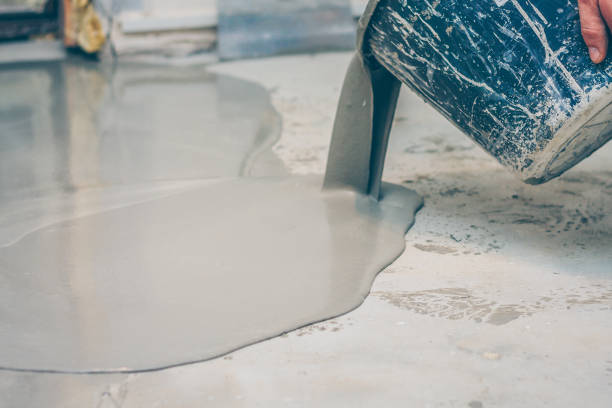
Worker mixing a gray epoxy resin bucket Worker mixing a gray epoxy resin bucket garage Epoxy Flooring stock pictures, royalty-free photos & images

Comparing Epoxy Flooring with Other Options

Flooring Type Chemical Resistance Maintenance Requirements Durability
Epoxy Flooring High Low Very High
Concrete (Uncoated) Low Moderate/High Moderate
Vinyl Flooring Moderate Moderate Low
Tile Flooring Varies High (due to grout) Moderate

As shown above, epoxy outperforms traditional flooring options when chemical resistance is a priority.

Additional Safety Benefits

  • Slip Resistance: Textured finishes can be added to reduce slipperiness caused by liquid spills.
  • Fire Resistance: Certain formulations are fire-resistant, adding another layer of protection.
  • Eco-Friendliness: By extending the life of your floors and reducing repair needs, you minimize waste production over time.

How Does This Save Costs?

  1. Reduced Maintenance: You won’t need regular resurfacing or replacement due to exposure-related damage.
  2. Preventative Protection: Protecting substrates from corrosion avoids expensive structural repairs.
  3. Prolonged Aesthetic Appeal: Stains caused by oil or cleaning agents are minimized, keeping your floors looking fresh for years.

By choosing an epoxy solution suited for environments exposed to harsh substances, you ensure both functional reliability and cost-effective maintenance over time—an investment worth considering for any space requiring robust performance under challenging conditions.

How Epoxy Flooring Improves Safety in Residential and Commercial Spaces

Epoxy flooring is not only aesthetically pleasing and durable but also contributes significantly to safety in both residential and commercial spaces. With its unique properties, epoxy flooring offers solutions that reduce hazards, prevent accidents, and create a safer environment for everyone. Below are some ways this type of flooring enhances safety.

Slip-Resistant Surface

One of the primary safety benefits of epoxy flooring is its slip-resistant surface:
Anti-Slip Additives: During the application process, anti-slip materials such as silica or aluminum oxide can be added to the epoxy mixture, enhancing traction on the surface.
Custom Finishes: Options like textured or matte finishes further increase grip, making it ideal for areas prone to spills or moisture.
Durability Over Time: Unlike many other types of flooring, epoxy retains its anti-slip properties even under heavy foot traffic or wear.

This makes it suitable for spaces such as:
1. Residential garages where cars can track in water or snow.
2. Warehouses with frequent material handling equipment movement.
3. Restaurants or kitchens where liquid spills are common.

Chemical Resistance for Hazardous Areas

Epoxy floors are resistant to harsh chemicals, which significantly improves safety in environments where harmful substances may spill:
Industrial Applications: In factories or laboratories where chemical spills occur frequently, epoxy prevents those substances from seeping into the floor and compromising structural integrity.
Ease of Cleanup: Spills can be cleaned quickly without damaging the floor surface, reducing potential exposure risks to employees or residents.

Chemical Resistance Properties Table
Substance Epoxy Resistance Level
Oil High
Acids (mild) High
Solvents Moderate to High
Alkalis High

Improved Visibility with Reflective Properties

Epoxy’s glossy finish improves lighting by reflecting natural and artificial light across the space:
– This reduces shadowed areas that could otherwise hide obstacles or hazards.
– Better visibility in high-use areas like garages, basements, warehouses, and parking structures minimizes accident risks.

Better Hygiene with Seamless Flooring

Unlike tile or hardwood floors with grooves and joints that trap contaminants:
– Epoxy provides a seamless surface that prevents dirt, bacteria, and mold buildup—essential for hospitals or food production facilities where hygiene is critical. – Enhanced cleanliness reduces health hazards in residential settings with children or pets.

Fire Resistance

Higher-quality epoxy coatings often include fire-resistant additives: – This feature slows down fire spread in case of emergencies. – It provides an extra layer of protection in commercial spaces like workshops that deal with flammable materials.

Key Takeaways

Whether it’s slip resistance for wet environments or chemical protection for industrial applications, epoxy flooring enhances safety across various settings. Its reflective properties improve visibility while its seamless texture promotes hygiene—all contributing toward safer living and working conditions without sacrificing durability or style.

The Durable Nature of Epoxy Floors: A Long-Lasting Investment

When it comes to flooring materials, durability is often a top concern for both residential and commercial applications. Epoxy flooring stands out as a premier choice due to its impressive longevity and resilience, making it an excellent investment for any space. Below, we will explore the key factors that contribute to the durable nature of epoxy floors and why they are worth considering.

Key Features of Epoxy Flooring Durability

  • Exceptional Resistance to Wear and Tear: Epoxy floors are highly resistant to abrasion, making them ideal for high-traffic areas such as garages, warehouses, and workshops.
  • Impact Resistance: Unlike traditional flooring options like tile or wood, epoxy can withstand heavy impacts from dropped tools or equipment without cracking or chipping.
  • Moisture and Stain Protection: The non-porous surface of epoxy prevents water infiltration and protects against stains caused by spills or chemicals.
  • Scratch Resistance: The hard surface layer provides protection from scratches caused by foot traffic or dragging furniture across the floor.

Lifespan of Epoxy Floors

When properly maintained, epoxy floors can last anywhere from 10 to 20 years in residential spaces and 5 to 10 years in commercial environments with heavy usage. Its long lifespan translates into cost savings over time since frequent repairs or replacements are rarely needed.

Factors That Enhance Longevity

  1. High-Grade Materials: Using quality epoxy coatings during installation ensures superior strength and durability.
  2. Proper Surface Preparation: A well-prepared substrate is essential for achieving a strong bond between the floor and the coating.
  3. Protective Topcoat Layers: Adding extra layers of protective coatings enhances resistance to UV damage, chemicals, and wear.
  4. Routine Maintenance: Regular cleaning using non-abrasive products helps preserve its pristine condition.
Feature Benefit
Impact Resistance Prevents cracks from heavy objects
Chemical Resistance Shields against corrosive products
Abrasion Resistance Ideal for high-footfall areas
Moisture Protection Prevents water damage

Applications That Benefit From Durability

  • Garage Floors: Withstand vehicle weight and resist automotive fluids such as oil and coolant spills.
  • Industrial Spaces: Handle heavy machinery without deterioration.
  • Commercial Buildings: Perfect for retail stores or office spaces with continuous foot traffic.

Opting for an epoxy floor is more than just a design decision; it’s a functional upgrade that reduces maintenance costs while ensuring your space remains visually appealing for years.

The Quick and Cost-Effective Application Process of Epoxy Flooring

Epoxy flooring has become a popular choice for residential, commercial, and industrial spaces due to its durability, aesthetic appeal, and affordability. One of its most significant advantages is the quick and cost-effective application process. This streamlined method not only saves time but also ensures minimal disruption during installation, making it appealing to homeowners and businesses alike.

Step-by-Step Process of Epoxy Flooring Application

  1. The installation begins with thorough cleaning and preparation of the substrate.
  2. Dirt, grease, oil stains, or any imperfections are removed using industrial-grade cleaners or machinery like diamond grinders.
  3. If there are cracks or holes in the concrete surface, they are repaired to ensure uniformity before applying the epoxy.
  4. A primer coat is applied to enhance adhesion between the substrate and epoxy coating.
  5. This layer penetrates into pores on the floor’s surface, creating a strong foundation for subsequent layers.
  6. The resin and hardener components of epoxy are mixed in precise proportions as per product guidelines. Proper mixing ensures consistent curing once applied.
  7. The first layer (base coat) is evenly spread across the primed surface using rollers or squeegees.
  8. Depending on your chosen finish (solid color vs decorative), this layer serves as a foundation for additional coatings.
  9. For decorative finishes like metallic effects or flakes, this step involves embedding additives before applying the topcoat.
  10. Flakes can provide added texture while enhancing slip resistance.
  11. A clear protective topcoat is applied to seal all layers beneath it.
  12. It provides resistance against scratches, chemicals, moisture penetration, and UV degradation.
  13. After application, epoxy floors need time to cure fully—typically 24-72 hours depending on environmental conditions.

Benefits of Quick Installation

  • Minimal Downtime: Businesses appreciate that epoxy can be installed over a weekend or overnight when operations are slower.
  • Ease for Homeowners: Residential installations in garages or basements can often be completed within 1-2 days.
  • Reduced Labor Costs: The efficiency of trained professionals applying epoxy reduces both time spent on-site and overall labor expenses.
Aspect Typical Timeline Notes
Surface Preparation 4–8 hours Includes cleaning & repairs
Priming 2–4 hours Drying times vary by product
Base Coat/Topcoat 6–12 hours Multiple coats may require layering
Curing Time 24–72 hours Full load-bearing strength achieved

Cost Effectiveness

  • Requires less frequent repairs compared to other flooring options such as tile or hardwood.
  • High resistance to wear-and-tear extends its lifespan significantly.
  • Its seamless design prevents dirt buildup in cracks/seams—reducing cleaning efforts.

1) Epoxy can be applied directly over existing concrete floors without additional costly substrate removal tasks. 2) Its reflective properties improve lighting efficiency indoors—reducing energy consumption over time.

Whether you’re renovating your home garage or upgrading your commercial facility’s floorspace—epoxy flooring solutions remain one of today’s most practical investments due to their efficient installation methods combined with affordability benefits over years ahead.