

Epoxy flooring has become a highly sought-after choice for both residential and commercial spaces due to its blend of practicality, durability, and aesthetic appeal. This flooring solution offers a range of advantages that make it a versatile option across various industries. Below, we explore the top benefits that epoxy flooring brings to the table.
Durability That Withstands Heavy Use
One of the most appealing aspects of epoxy flooring is its exceptional durability. When applied correctly, epoxy creates a hard, impact-resistant surface that can endure significant wear and tear.
- High Load Capacity: Epoxy floors are capable of withstanding heavy machinery in industrial settings or the weight of vehicles in garages.
- Scratch Resistance: The tough outer layer reduces susceptibility to scratches caused by foot traffic or equipment movement.
- Longevity: Properly installed epoxy floors can last for decades with minimal maintenance compared to traditional floor coverings such as tile or wood.
Enhanced Aesthetic Appeal
Epoxy flooring is not just functional; it also offers an impressive range of design options that allow customization for any space.
- Variety of Colors: Available in solid colors or metallic finishes, epoxy can match virtually any interior theme or branding guidelines.
- Patterns and Textures: Options like marbling effects or multi-colored flakes provide unique visual interest tailored to personal preferences.
- Seamless Finish: Its smooth and consistent surface eliminates grout lines or seams found in tiled floors, giving a clean and modern appearance.
| Design Option | Description |
| Solid Color | Single-tone finish for sleek simplicity |
| Metallic Finish | Adds depth with reflective metallic effects |
| Flake Systems | Decorative chips embedded for texture |
Cost Efficiency Over Time
Though the initial cost might seem higher than some alternatives, epoxy flooring proves its value through reduced maintenance needs and long-term durability.
- Low Maintenance Costs: Its seamless surface resists stains and spills, requiring only basic cleaning such as sweeping or mopping.
- Resists Damage: Unlike wood that can warp from moisture or tile grout prone to cracking over time, epoxy remains intact under challenging conditions.
- Energy Efficiency Potential: Light-reflective properties reduce lighting costs in large spaces by enhancing natural light distribution.
Ideal for Various Environments
Epoxy flooring’s unique combination of style and performance makes it suitable for applications ranging from residential kitchens to industrial warehouses.
Some common use cases include: – Residential garages where durability meets aesthetic requirements – Commercial showrooms benefiting from high gloss finishes – Healthcare facilities seeking hygienic surfaces that are easy-to-clean
In summary, epoxy flooring delivers unmatched benefits across functionality, style versatility, and long-term value retention while being adaptable to diverse settings—making it more than just a floor but an investment in quality living or working environments.
Discover the Benefits of Hiring an Epoxy Garage Flooring Contractor in Clearwater FL
Epoxy flooring is not just a practical solution for residential, commercial, and industrial spaces—it also offers an impressive array of design options. With its exceptional versatility, epoxy flooring has become a preferred choice for those looking to combine functionality with aesthetic appeal. Below, we explore the various customization options that make epoxy floors highly adaptable to personal tastes and design requirements.
A Wide Array of Colors and Finishes
Epoxy floors can be customized in virtually any color or combination of colors, making them suitable for modern homes, retail spaces, or industrial facilities. From solid monochromatic shades to metallic finishes that reflect light beautifully, the possibilities are endless.
Some popular finish options include: – Metallic Epoxy: Creates a shimmering, three-dimensional effect that mimics molten metal or flowing water.
– Matte Finish: Offers a non-reflective surface ideal for subdued aesthetics.
– Glossy Finish: Highly reflective and smooth, this option adds a sense of brightness to any space.
A homeowner might prefer warm tones to complement cozy interiors, while a business may opt for bold colors paired with the company’s branding.
Patterns and Decorative Elements
Epoxy flooring allows the incorporation of intricate patterns and designs for personalized spaces. Techniques such as stenciling or embedding materials further enhance creativity in design.
Examples include: – Geometric Patterns: Ideal for modern environments like offices or retail stores.
– Marbled Effects: Perfect for luxurious aesthetics in showrooms or upscale homes.
– Logo Embedding: Businesses can embed their logos directly into the floor coating during installation.
These decorative options not only make each space unique but also serve as conversation starters.
Texture Customization
The texture of epoxy flooring can be customized to meet functional needs without compromising style: – Smooth Textures: Provide a sleek look suited for cleanroom environments and hospitals. – Textured Finishes: Enhance traction in areas prone to moisture such as garages or kitchens. – Anti-Slip Additives: Additives like sand or grit can be incorporated into the coating for safety without significantly altering appearance.
Applications Across Different Settings
Thanks to its versatile nature, epoxy flooring seamlessly integrates into various environments: 1. Residential Spaces – Create custom kitchen floors with unique patterns. – Add metallic finishes for living rooms that exude sophistication. 2. Commercial Spaces – Use brand-themed colors and embedded logos in retail stores. – Opt for high-gloss finishes in showrooms to highlight products. 3. Industrial Areas – Stick with neutral tones enhanced by anti-slip textures. – Leverage durability without sacrificing visual interest through marbled effects.
Ultimately, whether you need sleek minimalism or bold artistic flair, epoxy flooring can bring your vision to life efficiently and affordably with its unparalleled customization potential.
How Clearwater Epoxy Garage Flooring Provides an Economical Long-Term Investment
When considering flooring options for residential, commercial, or industrial spaces, it’s essential to weigh not only the upfront costs but also the long-term value and economic benefits. Epoxy flooring has gained popularity due to its ability to provide a cost-effective solution that balances durability, aesthetics, and minimal maintenance costs over time. Here’s a closer look at how epoxy floors represent an economical long-term investment.
One of the most significant advantages of epoxy flooring is its exceptional lifespan. Properly installed epoxy floors can last for decades with minimal signs of wear and tear. This longevity eliminates the need for frequent replacements or repairs that are often required with other flooring types such as carpet, vinyl tile, or hardwood.
- Durability: Resistant to heavy foot traffic, abrasions, and impacts.
- Minimal wear: Retains aesthetic appeal even in high-stress environments like garages or warehouses.
- Fewer replacements: Saves the cost of periodic reinstallation common with less durable materials.
2. Low Maintenance Expenses
Epoxy floors are remarkably easy to maintain compared to traditional flooring materials. The smooth surface resists stains, dirt buildup, and chemical spills, which translates into reduced cleaning costs over time.
- Sweep or vacuum debris regularly.
- Use a mop with mild detergent for deeper cleaning.
- No special treatments needed: Unlike hardwood that requires polishing or waxing.
- Resistant to stains and spills: Chemicals and oils don’t penetrate the surface easily.
| Flooring Type | Average Maintenance Cost Over Ten Years ($/sq ft) |
| Epoxy Flooring | $0.50-$1.00 |
| Hardwood | $2.00-$4.00 |
| Carpet | $1.50-$3.50 |
3. Energy Efficiency Savings
Epoxy surfaces reflect light effectively due to their glossy finish. In commercial spaces such as warehouses or factories, this reflective quality can reduce energy usage by enhancing natural lighting and reducing the need for artificial lighting during daylight hours.
- Brightens spaces without additional fixtures.
- Contributes to lower electricity bills in both residential and commercial areas.
4. Resistance Reduces Repair Costs
- Withstands oil spills, chemical splashes, and thermal shocks without damage.
- Protects against cracking under pressure from machinery or vehicles.
- Prevents moisture-related issues like mold growth on concrete substrates.
By avoiding costly repairs related to water damage or material degradation seen in other types of flooring like laminate or carpeted surfaces, epoxy proves itself as an investment built for longevity.
5. Initial Costs Balanced by Long-Term Value
Upfront Cost Comparison (Approximate per Square Foot Installed)
| Material | Installation Cost ($/sq ft) | Average Lifespan (Years) |
| Epoxy Flooring | $3-$12 | 20+ |
| Vinyl Flooring | $2-$7 | 10-15 |
| Hardwood | $7-$12 | 15+ |
Over time, epoxy’s durability translates into significant savings by eliminating reinstallation cycles typical of less resilient materials.
By combining resilience against wear-and-tear with minimal upkeep requirements and energy efficiency benefits over decades of use, epoxy flooring demonstrates why it is considered one of the most economical long-term investments available for both homes and businesses today.

The Chemical and Harsh Element Resistance of Epoxy Flooring Explained
Epoxy flooring is widely recognized for its exceptional resistance to chemicals and harsh elements, making it a preferred choice in industrial, commercial, and even residential settings. This unique property not only ensures long-lasting performance but also minimizes maintenance requirements. Below, we’ll explore the specifics of what makes epoxy floors resistant to various substances and why this feature is crucial in demanding environments.
What Contributes to Epoxy Flooring’s Chemical Resistance?
- Resin Composition: Epoxy coatings are composed of high-grade synthetic resins that chemically bond during application to form an impermeable surface.
- Cross-Linking Structure: The molecular structure of cured epoxy forms tight bonds that repel the penetration of chemicals, oils, and other hazardous substances.
- Durable Protective Finish: When fully cured, epoxy floors develop a hard surface that serves as a protective barrier against both liquid and gaseous corrosive agents.
Common Chemicals Epoxy Floors Resist
| Category | Examples | Industry/Application |
| Acids | Sulfuric acid, hydrochloric acid | Manufacturing plants, laboratories |
| Bases | Sodium hydroxide, potassium hydroxide | Food processing facilities |
| Solvents | Acetone, ethanol | Automotive workshops |
| Oils & Grease | Motor oil, hydraulic fluids | Garages, warehouses |
| Cleaning Agents | Bleach, ammonia | Hospitals, kitchens |
This extensive chemical resistance makes epoxy floors suitable for spaces where exposure to these elements is routine.
Advantages of Chemical Resistance for Specific Environments
- Industrial Spaces
In factories or chemical plants where spills are frequent, epoxy flooring reduces the risk of corrosion or damage caused by exposure to aggressive substances. - Healthcare Facilities
Hospitals benefit from epoxy’s resistance to cleaning agents like alcohol-based disinfectants or bleach without compromising the floor’s integrity. - Garage Floors
Automotive shops need surfaces that won’t degrade when exposed to motor oil or solvents commonly used in vehicle maintenance. - Commercial Kitchens & Food Processing Areas
Epoxy can endure exposure to acidic food products (e.g., vinegar or citrus juices) while maintaining compliance with hygiene standards due to its seamless nature.
Impact on Longevity and Maintenance
Thanks to its superior chemical resistance properties: – Businesses can avoid frequent repairs or replacements caused by chemical degradation. – Cleaning becomes easier because spilled substances don’t stain or seep into the flooring material. – Aesthetics remain intact over time since the surface doesn’t fade or discolor from chemical exposure.
Selecting epoxy flooring for environments exposed to harsh chemicals ensures not only durability but also peace of mind for operators who require safe and reliable surfaces under challenging conditions. The combination of high performance with low maintenance costs underscores why this flooring solution remains a top choice across industries worldwide.
The Chemical and Harsh Element Resistance of Epoxy Flooring Explained
Epoxy flooring is widely recognized for its impressive resistance to chemicals and harsh elements, making it a preferred choice for industrial, commercial, and even residential applications. Its robust composition ensures long-lasting performance in environments where traditional flooring materials might deteriorate or fail.
What Makes Epoxy Flooring Chemically Resistant?
The chemical resistance of epoxy floors is largely due to their unique formulation. Epoxy coatings are created by mixing epoxy resin with a hardener, resulting in a strong, durable surface that bonds tightly to the substrate. This seamless surface acts as a shield against corrosive agents.
Key factors contributing to chemical resistance include: – High cross-link density: This feature minimizes the ability of chemicals to penetrate the floor. – Non-porous nature: The impermeable surface prevents absorption of liquids or spills. – Resistance to pH extremes: Epoxy flooring holds up well against both acidic and alkaline substances.
Applications That Demand Chemical Resistance
- Manufacturing plants exposed to oils, solvents, and acids.
- Warehouses handling corrosive materials.
- Hospitals and clinics requiring protection from sanitizers and cleaning agents.
- Floors frequently exposed to caustic cleaning agents or food-grade acids.
- Resistant against gasoline, oils, lubricants, and other automotive fluids.
Benefits of Chemical Resistance for Longevity
| Benefit | Description |
| Extended lifespan | Reduces wear-and-tear from continuous exposure to damaging substances. |
| Low maintenance costs | Minimal need for repairs or replacement due to chemical etching or damage. |
| Preserves aesthetic appeal | Prevents discoloration or staining from spills or leaks. |
Harsh Element Resistance Beyond Chemicals
- Temperature fluctuations: Performs well under extreme heat or cold without cracking.
- Moisture resistance: The impermeable coating protects against water damage or mold growth.
- UV stability (optional coatings): Certain epoxy formulations can withstand UV rays for outdoor applications.
Maintenance Tips for Ensuring Maximum Resistance
To maintain the chemical resistance of an epoxy floor over time: – Clean up spills promptly using mild detergents instead of abrasive cleaners. – Use mats in areas where heavy chemical exposure occurs frequently. – Periodically inspect the coating for signs of wear and apply recoating as needed.
Epoxy flooring stands as a reliable solution for spaces requiring durability under demanding chemical or environmental conditions. Its protective properties not only enhance functionality but also contribute significantly to cost savings over time through reduced maintenance needs
Creating a Leveled and Hygienic Surface with Epoxy Flooring Solutions
Epoxy flooring is renowned for its ability to provide a smooth, seamless, and hygienic surface. Whether installed in residential, commercial, or industrial environments, this flooring solution addresses key concerns such as uneven surfaces and cleanliness while delivering long-lasting results. Below, we explore how epoxy flooring achieves these benefits and why it is an ideal choice for many applications.
Smooth and Leveled Surfaces
One of the standout features of epoxy flooring is its capacity to create a perfectly leveled surface. This attribute solves issues associated with irregular floors, which can lead to both functional and aesthetic challenges.
- Self-Leveling Properties: Epoxy materials are designed to flow smoothly over existing substrates, filling in cracks, holes, or dips in the floor. Once cured, the result is a uniform surface free of imperfections.
- Improved Safety: Uneven floors pose tripping hazards in both home and work environments. By leveling the floor with epoxy coatings, you can minimize risks associated with slips or falls.
- Aesthetic Appeal: A smooth finish enhances not only safety but also the overall look of the space. Whether used in garages, kitchens, or commercial facilities, leveled epoxy adds a professional appearance.
Hygienic Benefits of Epoxy Flooring
In addition to providing a flawless finish, epoxy floors contribute significantly to maintaining cleanliness in any environment. These hygienic properties are particularly valuable for healthcare facilities, food production areas, and households.
- Non-Porous Surface: Unlike traditional flooring materials such as concrete or wood that may absorb liquids and harbor bacteria or mold growth, epoxy creates a non-porous barrier that prevents infiltration by moisture or contaminants.
- Dirt and debris can be quickly swept or vacuumed off without sticking to the floor’s surface.
- Spills are easy to wipe away without staining or requiring harsh cleaning products.
- Resistance to Germs: The seamless nature of epoxy eliminates grout lines or seams where germs often accumulate.
- Chemical Resistance: For industrial settings where harsh cleaning agents are necessary for sterilization purposes (e.g., medical labs), epoxy withstands exposure without degrading.
Comparison Table: Epoxy vs Other Flooring Types for Hygiene
| Feature | Epoxy Flooring | Concrete Floors | Tile Floors |
| Seamless Surface | Yes | No | No |
| Porosity Level | Non-Porous | High Porosity | Moderate Porosity |
| Ease of Cleaning | High | Medium | Medium |
| Bacteria/Mold Resistance | Excellent | Poor | Good |
Ideal Applications for Hygienic Surfaces
- Commercial Kitchens: Prevent grease buildup while ensuring sanitary food preparation areas.
- Hospitals/Clinics: Maintain sterile environments by reducing microbial growth risks on floors.
- Warehouses/Factories: Provide durable yet cleanable flooring options that withstand heavy usage.
By combining durability with ease of maintenance and hygienic appeal, epoxy flooring offers an unparalleled solution for creating leveled surfaces suited for both health-focused facilities and everyday spaces alike.
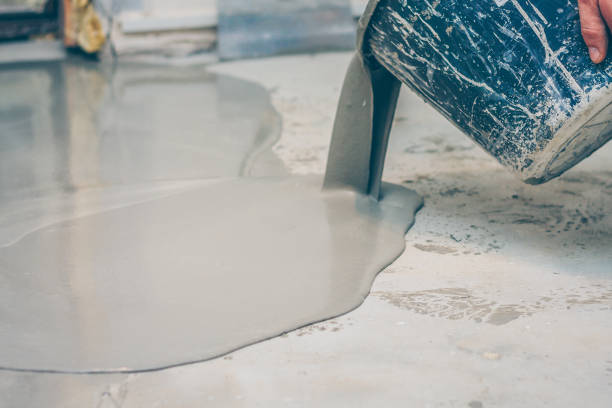
Quick and Easy Installation Process for Epoxy Floors: What to Expect
Epoxy flooring has become a popular choice for both residential and commercial spaces due to its durability, design flexibility, and ease of maintenance. One of its most attractive features is the straightforward installation process, which saves time and minimizes disruption. Here’s what you can expect during the installation of an epoxy floor.
Step-by-Step Installation Process
- Surface Preparation
The first step in installing epoxy flooring is proper surface preparation. This is essential to ensure the epoxy adheres securely to the substrate. The area must be cleaned thoroughly to remove dirt, grease, oils, or old coatings. Any cracks or imperfections in the concrete are repaired using patching compounds or fillers. In some cases, grinding or shot blasting may be necessary to create a rough surface for better adhesion. - Priming the Floor
Once the surface is ready, a primer layer is applied. This step helps seal the pores in the concrete and provides a smooth base for the subsequent epoxy layers. Primers also improve adhesion between the substrate and epoxy coating. - Mixing and Applying Epoxy Coating
After priming, the epoxy resin and hardener are mixed according to manufacturer instructions. The mixture must be carefully prepared to ensure proper curing and performance. The first layer of epoxy is applied evenly across the floor using rollers or squeegees. - Adding Decorative Elements (Optional)
If customization or aesthetic design is desired, this is when decorative flakes, metallic pigments, or quartz aggregates can be added to achieve unique patterns or textures. - Applying Additional Coats
Multiple coats are often required depending on how thick and durable you want your floor to be. Each coat must cure before applying another layer. - Curing Time
After all coats have been applied, curing time is required before your new floor can handle foot traffic or heavy equipment use. Curing typically ranges from 24-72 hours but may vary based on environmental conditions like temperature and humidity.
Key Benefits of Quick Installation
- Minimal Downtime: Epoxy floors can often be installed over a weekend for residential spaces or during non-operational hours for businesses.
- Ease of Maintenance: Once installed, they offer a seamless surface that’s easy to clean.
- Customizable Timing: Professionals can adjust application methods based on your schedule while maintaining quality results.
Preparing for an Efficient Installation
- Clear all furniture or equipment from the area beforehand.
- Communicate any specific requirements with your installer (e.g., color schemes, anti-slip finishes).
- Verify that environmental conditions—such as temperature—are within recommended ranges during application for optimal results.
| Step | Description | Tools Used |
| 1 | Surface preparation | Grinder/Shot Blaster |
| 2 | Priming | Rollers/Brushes |
| 3 | Mixing & application | Mixers/Rollers/Squeegees |
| 4 | Decoration (optional) | Flakes/Pigments |
| 5 | Additional coats | Rollers/Squeegees |
The quick installation process makes epoxy flooring an attractive choice for those seeking efficiency without compromising durability or aesthetics during their renovation projects.
Sustainability and Eco-Friendliness in Modern Epoxy Flooring Choices
As sustainability becomes a critical consideration in almost every industry, modern epoxy flooring solutions have evolved to offer eco-friendly options. These advancements not only reduce environmental impact but also provide homeowners and businesses with durable, long-lasting flooring systems that align with green initiatives. Below, we explore how epoxy flooring can be a sustainable choice for your space.
Low Waste During Installation
Epoxy flooring systems are designed to minimize material waste during installation. Unlike traditional flooring options requiring significant cutting or excess material, epoxy is applied as a liquid coating that hardens into a seamless surface. This reduces the need for additional materials such as grout or adhesives, leading to lower overall waste production.
Durable and Long-Lasting
One of the most sustainable features of epoxy flooring is its exceptional durability. A well-installed epoxy floor can last for decades without requiring replacement. This longevity reduces the frequency of replacement cycles compared to other flooring types like carpet or vinyl, which wear out faster.
Additionally, its resistance to cracks, stains, and abrasions extends the life of the floor while reducing resource consumption over time.
Low Volatile Organic Compound (VOC) Options
Modern advancements in epoxy formulations have led to low-VOC and even zero-VOC products that are less harmful to both human health and the environment. VOCs contribute to air pollution during application and can adversely affect indoor air quality. Choosing low-VOC epoxy products ensures cleaner air while maintaining high performance.
Energy-Efficient Reflectivity
Epoxy floors are available in high-gloss finishes that reflect light efficiently. This reflectivity enhances natural and artificial lighting within a space, thereby lowering energy consumption associated with artificial lighting needs. For commercial spaces or warehouses where lighting costs are substantial, this feature can significantly reduce energy usage over time.
Sustainable Manufacturing Processes
Many modern manufacturers are incorporating sustainable practices into their production processes for epoxy resins and coatings. These include recycling industrial by-products into the resin manufacturing process or using renewable raw materials when designing eco-conscious formulations.
Comparative Carbon Footprint Table
| Flooring Type | Average Lifespan (Years) | Material Recycling Potential | Maintenance Requirements | Carbon Footprint (Low/Medium/High) |
| Epoxy Flooring | 20-30 | Moderate | Low | Medium |
| Carpet | 5-10 | Low | High | High |
| Hardwood Flooring | 15-20 | High | Moderate | Medium |
| Vinyl Flooring | 5-10 | Low | Moderate | High |
This table highlights how epoxy compares favorably against alternatives due to its longer lifespan and reduced maintenance needs.
Recyclability at End-of-Life
Though traditional epoxies themselves may not be fully biodegradable, some manufacturers now offer recyclable formulations or products that incorporate renewable resources during production. Additionally, many facilities specialize in recycling older coatings during renovations by grinding down existing surfaces for reuse.
Benefits of Choosing Eco-Friendly Epoxy Options
When you select an environmentally conscious epoxy product, you reap several benefits: – Reduced environmental footprint from production through application. – Healthier indoor air quality due to lower VOC emissions. – Enhanced energy savings through reflective properties. – Cost savings over time due to reduced maintenance needs.
By choosing sustainable epoxy flooring solutions tailored for modern spaces—whether residential or commercial—you invest in an option that supports both functionality and environmental responsibility.
- Epoxy Garage Flooring Contractor Clearwater FL: The Ultimate Solution for Durability and Longevity
- Enhance Your Space with Clearwater Epoxy Garage Flooring for Style and Durability
- Experienced Epoxy Flooring Installers Clearwater FL Offer Long-Lasting Solutions
- Discover the Top 7 Benefits with an Epoxy Garage Flooring Contractor Clearwater FL
- Transform Your Home with Clearwater Epoxy Garage Flooring: Benefits and Insights
- Transform Your Space with Practicality and Style: Top Epoxy Flooring Company Clearwater FL